Blogs
The Avolution: Unveiling the Impact of AI on Audio-Visual Technologies
Imagine a world where virtual assistants were virtually non-existent. Browsing news and weather or playing a track of your whim with just a voice command? Forget it. Scheduling your day ahead? You can certainly forget it. It’s hard to imagine life without the convenience that Artificial Intelligence offers.
Infact, in our world's rapidly evolving technological landscape, Artificial Intelligence (AI) has emerged as a transformative force across industries. Among these, the Audio-Visual (AV) sector has witnessed a remarkable revolution, thanks to integration of Artificial Intelligence. AI is not just augmenting AV technology; it's reshaping the way we perceive, interact with, and utilize audio and visual elements.

According to a TechJury article, 35% of companies across the world already use AI while 42% are seeking to implement it in the near future. These are not just mere numbers but a true testament to the real-time impact of Artificial Intelligence across industries.
In this blog, we explore:
-
Impact of AI on audiovisual technology,
-
The myriad benefits it offers, and
-
The future technologies of AI in audiovisual industry
Key Areas of Artificial Intelligence's Impact in AV Technologies
As AI finds more applications across industries today, its impact - both in scope and scale - is unprecedented. It can impact everything from the way we communicate to the way we work. Below, we outline a few key impact areas.
Advanced Image & Sound Processing
From improving the clarity of video conferencing calls and boosting the quality of content streamed to providing real-time language translation for global audiences, AI is enhancing the way we create, consume, and share media.

Whether it's sharpening images, cleaning up audio, or enabling new interactive possibilities, AI is at the forefront of creating a more immersive and engaging multimedia landscape.
With Artificial Intelligence’s image recognition technology that automatically tags and categorizes thousands of images in seconds, managing and accessing vast visual libraries becomes easier. AI-driven audio processing is minimizing noise, refining sound quality, and enabling voice commands that are more accurate and responsive than ever.
Object Detection and Segmentation
Faster R-CNN, YOLO (You Only Look Once), and Mask R-CNN are advanced techniques used for real-time object detection.
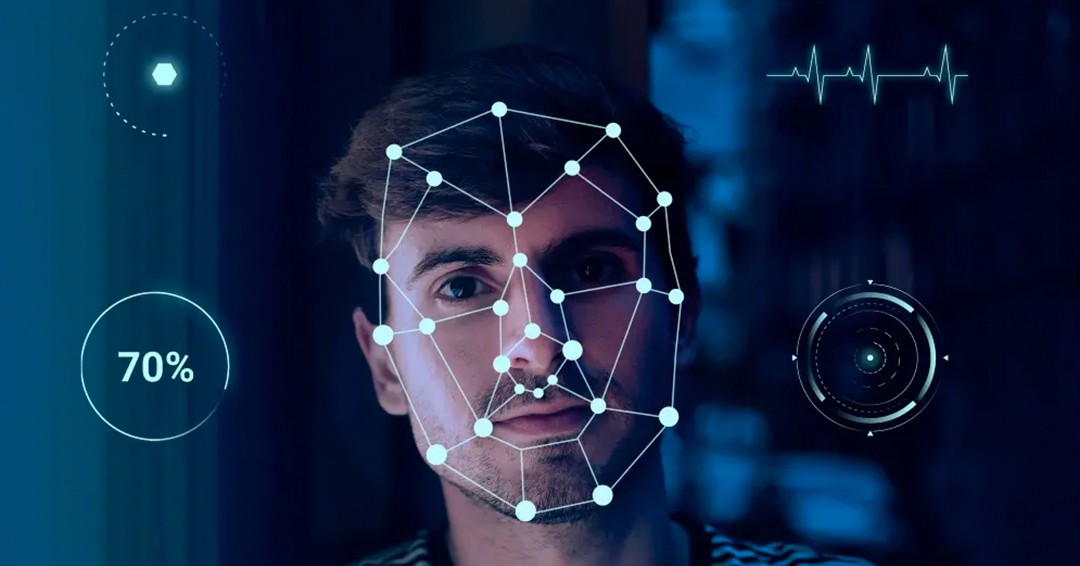
These techniques are applied to enable automated content recognition, smart camera control at live events, audience analytics, enhanced conferencing systems, and dynamic visual effects in AV content creation. These applications not only ensure a more immersive experience but also streamline the production and delivery of AV content in real-time.
Sound Enhancement
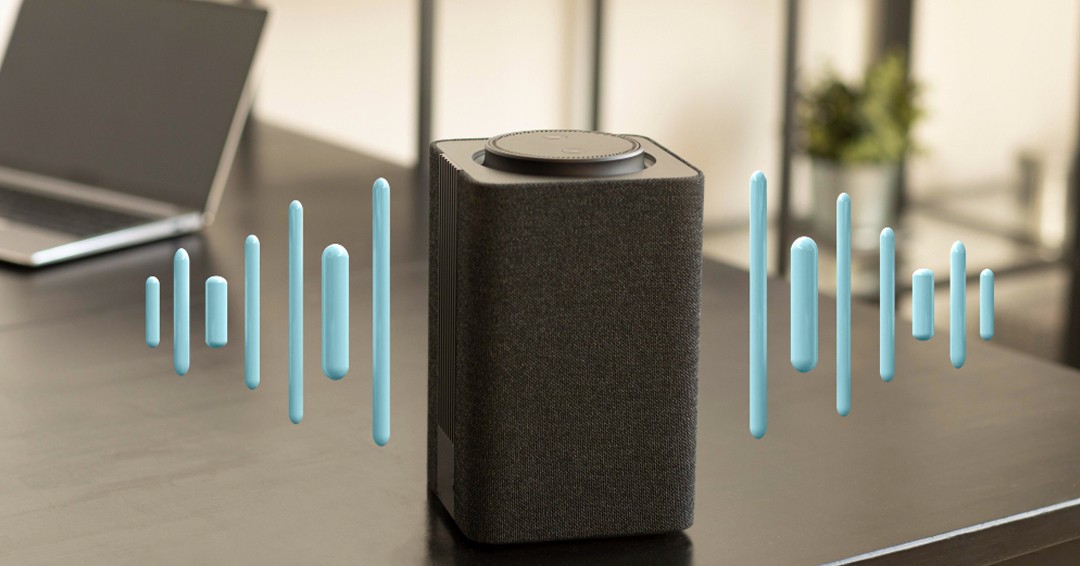
AI-powered sound enhancement technologies can clean up and improve audio quality. These technologies are used in applications like noise reduction, audio restoration, and echo cancellation in audio and video conferencing.
Voice Cloning
Advanced voice cloning technology, such as DeepMind's WaveNet and Google's Duplex, can generate human-like speech for various applications, including virtual assistants and interactive voice response (IVR) systems.This can be used in areas like dubbing - for localization of content, audiobooks - to make manual and long form content interactive, and in voice assistive technology - to bring distinction and personalization by cloning voices.
Audio Fencing
With this innovative feature, every meeting room transforms into a haven of productivity. AI intelligently filters out ambient noise, to capture conversations with exceptional clarity. Revolutionizing the meeting landscape, AI-enabled audio fencing is the game-changer in contemporary conferencing setups.
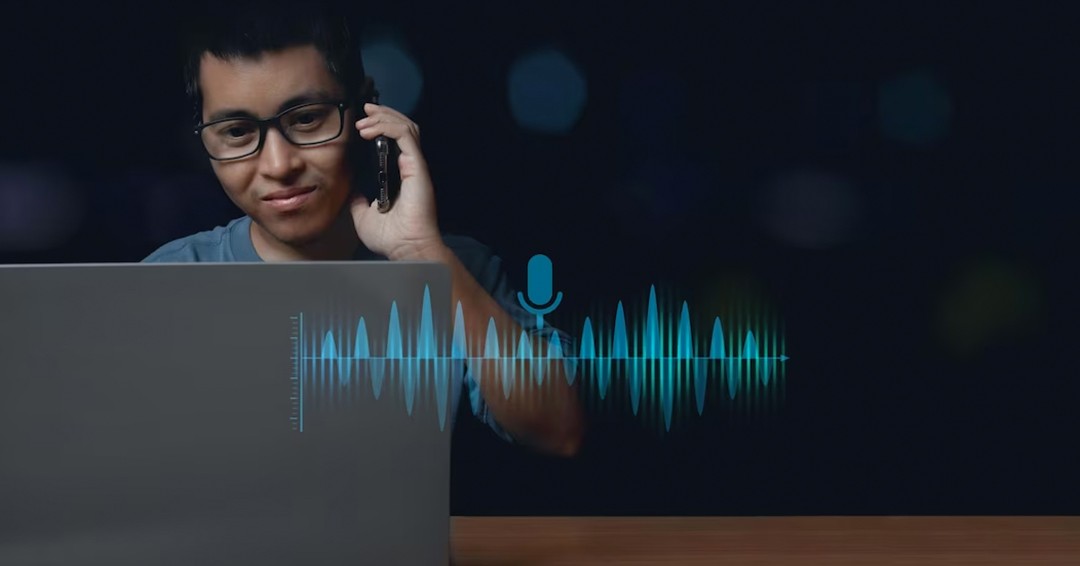
This cutting-edge technology operates within UC devices, studio bars and most sound bars, to eradicate unwanted background noise while ensuring crystal-clear, high-definition voice capture within meeting spaces.
The Benefits of AI in AV Technologies

Improved User Experience
AI-driven AV systems adapt to user preferences, delivering tailored experiences. This translates to better engagement whether you're attending a virtual meeting or hosting an event.
Efficient Meeting Management
Artificial Intelligence in AV simplifies everything from meeting scheduling to room scheduling, and room control/setup to troubleshooting and generating meeting transcripts by minimizing human interference.
O2K’s Spotlight: Hologram technology in Workspaces

Holograms are three-dimensional (3D) images created through the interference of light waves. AI plays a crucial role in making these holographic enhancements intelligent and responsive. AI algorithms can track user movements and gestures, respond to voice commands, and adapt holographic content in real-time based on context and user needs. Here are 4 fascinating ways holograms can (and already do) enhance workspace experience
Visual Collaboration
With AI-enhanced holograms, remote teams can collaborate more effectively. Imagine a holographic video conference where participants from around the world appear as life-sized 3D holographic projection in your meeting room.
Interactive Presentations
Artificial Intelligence can transform boring, monotonous presentation reports into a visual extravaganza by using holographic projections of 3D models, charts, and more. Not just productivity, even in-meeting engagement levels would skyrocket.
Design and Prototyping
Architects, engineers, and designers can use AI-generated holograms to visualize and manipulate 3D prototypes and designs. This speeds up the design process and allows for real-time adjustments.
Augmented Reality (AR) Workspaces, Trainings & Education
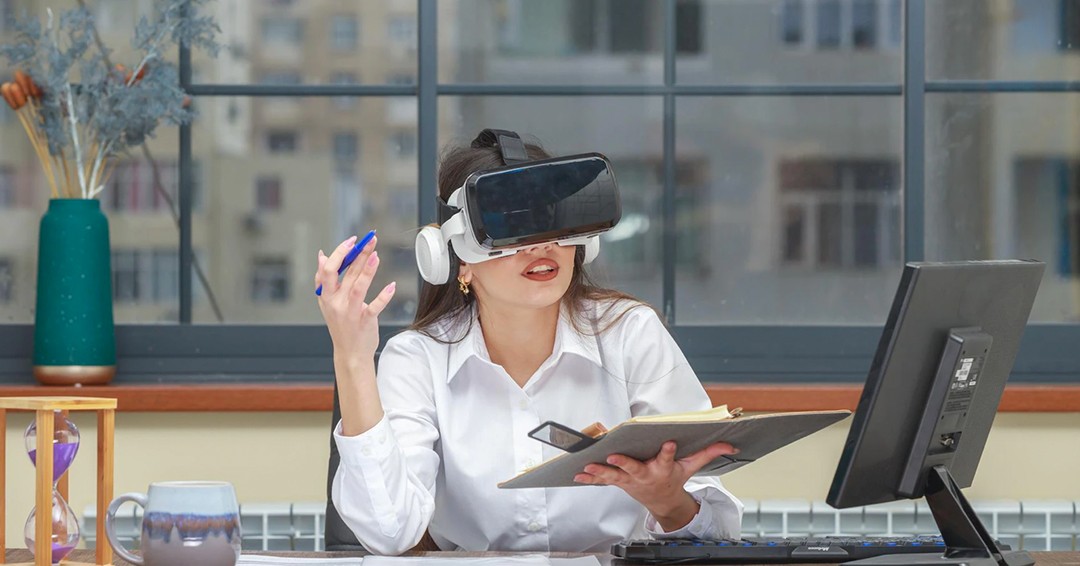
By overlaying digital information into the real-world with the help of AI-driven hologram technologies, processes can be simulated for experiential training and education in workspaces. In the automotive industry, for instance, technicians use AR hologram displays to see step-by-step instructions superimposed on the machinery they are repairing.
Additionally, experts can guide remote workers through complex tasks by projecting holographic instructions and diagrams onto their workspace. Remote assistance reduces resource dependency thus making hybrid work truly work.
The Future of Artificial Intelligence and AV Technologies
The synergy between Artificial Intelligence and audio visual systems could mean a paradigm shift in how we interact with and consume audio & visual content, and use AV equipment. As AI continues to advance, so do its applications in the AV industry.
The future promises a world where AI and AV technology work hand in hand to create a more connected, engaging, and immersive world. Embracing this change is undoubtedly the key to staying ahead.
But, the reality remains that AI integration in the workplace is largely untapped. Without the right guidance, it is easy to get lost in these uncharted territories. This is precisely where you can leverage our 25 years of expertise. Whether you want to adopt AI into everyday work or create a more efficient and productive workspace, get in touch with our office experts.